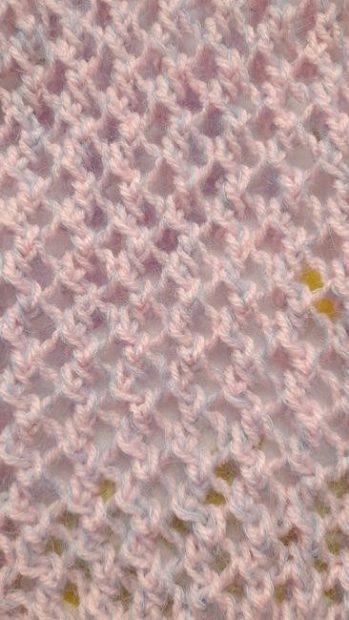
Overview of Knitting Loom Stitches PDFs
Knitting loom stitch PDFs compile diagrams‚ step‑by‑step instructions‚ and stitch libraries‚ enabling beginners and pros to access a wide range of techniques without costly books. They offer searchable patterns‚ printable sheets‚ and cross‑platform compatibility‚ streamlining learning. Ideal for teachi now and
Definition and Purpose
Knitting loom stitch PDFs serve as digital compendiums that capture the visual and textual essence of loom‑based textile creation. By translating traditional hand‑loom techniques into a portable‚ searchable format‚ these PDFs allow designers‚ hobbyists‚ and educators to reference stitch patterns‚ construction methods‚ and historical variations with ease. The core purpose is to democratize access to a craft that historically relied on handwritten notes or in‑person instruction‚ thereby preserving techniques that might otherwise fade. PDFs also provide a standardized visual language—icons‚ color codes‚ and notation conventions—that reduces ambiguity when sharing patterns across borders. This standardization is crucial for collaborative projects‚ where multiple artisans contribute to a single design. Moreover‚ the PDF format supports high‑resolution images and vector graphics‚ ensuring that intricate stitch diagrams remain legible when zoomed or printed. The ability to annotate‚ highlight‚ or export sections of a PDF makes it a versatile teaching tool‚ enabling instructors to tailor lessons to specific skill levels. Finally‚ because PDFs can be stored‚ duplicated‚ and distributed without degradation‚ they become a reliable archival medium for preserving the evolving vocabulary of loom knitting.
These PDFs also enable collaborative learning by allowing multiple users to annotate the same pattern file simultaneously‚ fostering a shared creative environment that transcends geographic boundaries and skill levels!!!!!!!!
Types of Looms Covered in PDFs
PDFs cover a range of loom types‚ from hand‑loom to frame and pedal looms. Each PDF lists loom dimensions‚ tension settings‚ yarn weight ranges‚ and step‑by‑step stitch diagrams‚ enabling accurate replication of classic and modern patterns for diverse projects.!!!
Hand Looms
Hand looms‚ also called pedal or frame looms‚ are the most accessible for beginners and hobbyists. PDFs dedicated to hand looms provide detailed diagrams of loom setup‚ including warp length‚ tension‚ and heddle arrangement. They cover essential stitches such as plain weave‚ twill‚ and simple fringe‚ with step‑by‑step instructions that emphasize hand‑loom nuances like foot‑pedal timing and warp tension adjustments. Many PDFs also feature adjustable warp charts‚ allowing users to scale patterns for different yardages and yarn weights. The tutorials often include troubleshooting tips for common hand‑loom issues—such as uneven tension‚ broken warp threads‚ or misaligned heddles—ensuring that learners can quickly resolve problems without costly repairs. Additionally‚ hand‑loom PDFs frequently incorporate creative variations‚ such as reversible patterns‚ color‑block designs‚ and small‑scale projects like scarves‚ bags‚ and decorative panels; By offering printable templates and downloadable PDF files‚ these resources enable knitters to experiment with new techniques‚ share patterns with friends‚ and build a personal library of hand‑loom projects that can be revisited and refined over time.
These PDFs also often include video links‚ community forums‚ and printable swatches‚ allowing knitters to test yarn colors and tensions before committing to full projects‚ thereby enhancing confidence and skill growth.
Readers can also download stitch charts in SVG format for scaling‚ ensuring that every pattern translates perfectly onto any loom size.
Common Stitches Explained
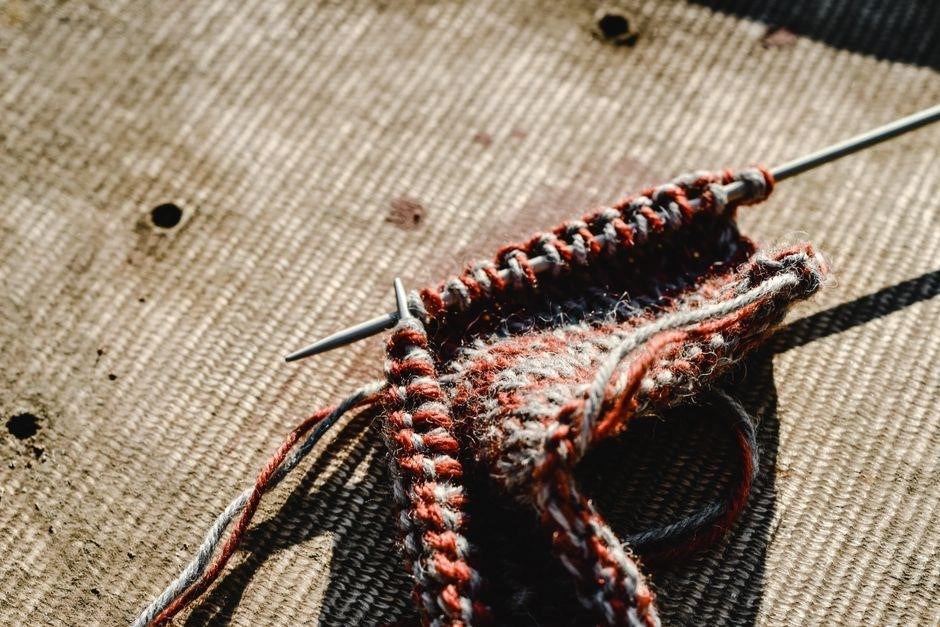
Common loom stitches such as plain weave‚ twill‚ and satin are illustrated in PDFs with clear diagrams. Step‑by‑step guides explain warp‑tension‚ heddle placement‚ and foot‑pedal rhythm‚ enabling knitters to master foundational patterns quickly. These PDFs provide color‑coded charts for easy reference!!.
Plain Weave
Plain weave‚ the most basic loom stitch‚ interlaces warp and weft threads in a simple over‑under pattern‚ creating a stable‚ flat fabric. In stitch guides‚ the plain weave is depicted with clear grid diagrams that show each warp thread crossing the weft in alternating sequence. The format allows knitters to zoom in on the diagram‚ read step‑by‑step instructions‚ and print the chart for on‑hand reference. The plain weave’s simplicity makes it ideal for beginners‚ yet its versatility supports complex projects such as blankets‚ scarves‚ and even lightweight garments. By mastering the plain weave‚ knitters gain a foundation for exploring more advanced patterns like twill‚ satin‚ and leno. PDFs often include variations plain weave‚ such as half‑plain or double‑plain‚ with annotations that explain how to adjust tension or heddle settings. Additionally‚ many PDF resources provide troubleshooting tips for common issues—mis‑aligned warp threads‚ uneven tension‚ or foot‑pedal timing—ensuring that the plain weave remains a reliable starting point for any loom‑knitting endeavor. PDF stitch charts often include a legend‚ color‑coded warp and weft labels‚ and foot‑pedal timing cues. Users can annotate the PDF with notes‚ highlight sections‚ or export to a PDF editor for custom modifications. Many loom‑knitting communities share annotated PDFs‚ fostering collaborative learning and rapid iteration of new designs. Such shared PDFs enable knitters to compare tension settings‚ test new weaves‚ and quickly adapt patterns to different yarn weights or loom sizes.

Advanced Stitch Patterns
Advanced stitch patterns in loom PDFs showcase intricate weaves like leno‚ grommets‚ and jacquard. Charts include step‑by‑step diagrams‚ tension notes‚ and foot‑pedal timing. Users can annotate‚ export‚ and share‚ enabling experimentation and rapid skill growth. They include a legend for warp and weft colors.!!
The leno weave‚ a staple in loom‑based textiles‚ interlaces warp threads in a zig‑zag pattern that creates a stable‚ open fabric. Grommets‚ on the other hand‚ are small‚ circular openings that allow for flexible attachment points or decorative perforations. In PDF stitch libraries‚ both techniques are represented with detailed diagrams‚ color‑coded warp and weft indicators‚ and step‑by‑step instructions. Users can toggle between full‑color and monochrome views‚ annotate directly on the PDF‚ and export the patterns to vector formats for precise cutting. The leno pattern is especially useful for creating breathable blankets‚ curtains‚ and non‑woven panels‚ while grommets are ideal for making adjustable hems‚ curtain rings‚ or decorative lace. Advanced PDFs often include a “tension guide” that explains how to adjust the loom’s tension settings to accommodate thicker yarns or finer threads‚ ensuring that the leno and grommet stitches maintain their integrity. Additionally‚ many resources provide a “quick‑start” video link embedded within the PDF‚ allowing beginners to watch the stitch in motion before attempting it on the loom. For experienced weavers‚ the PDFs offer variations such as double‑leno‚ offset grommets‚ and hybrid patterns that combine both techniques for a unique‚ textured finish. By leveraging these digital resources‚ knitters can experiment with complex designs without the need for costly pattern books‚ and they can share their creations with a global community of loom enthusiasts. Moreover‚ PDFs often contain interactive elements such as clickable tabs that reveal alternate stitch variations‚ enabling users to compare the visual differences instantly. Some creators also include a printable “tension chart” that correlates loom tension settings with yarn thickness‚ a valuable reference for those working with specialty fibers. By mastering leno and grommet techniques through these PDFs‚ weavers can expand their repertoire‚ produce functional textiles‚ and contribute to the evolving dialogue within the loom‑knitting community!
PDF Format Advantages
PDFs provide instant‚ searchable access to stitch diagrams‚ allow easy sharing across devices‚ enable offline printing. Their lightweight size ensures quick downloads‚ while embedded hyperlinks link to tutorials‚ tension charts‚ and community forums. Files are PDF‑friendly!
Easy Access and Sharing
PDF stitch guides are instantly downloadable from craft blogs‚ community forums‚ and official loom manufacturer sites. A single click delivers a complete set of diagrams‚ tension charts‚ and step‑by‑step instructions‚ eliminating the need for bulky printouts or paid e‑books.
Because PDFs are platform‑agnostic‚ they open on Windows‚ macOS‚ Linux‚ iOS‚ and Android without format loss. This cross‑compatibility means you can view patterns on a laptop‚ tablet‚ or phone while traveling‚ knitting in cafés‚ or during a break at work.
Sharing is effortless: a PDF can be attached to an email‚ uploaded to cloud storage‚ or embedded in a website. Communities on Reddit‚ Facebook groups‚ and dedicated loom‑knitting forums routinely circulate updated stitch collections‚ allowing instant collaboration and feedback.
Embedded hyperlinks within PDFs link to video tutorials‚ live workshops‚ and related pattern downloads. Users can click directly to a YouTube demonstration or a live chat‚ turning a static diagram into an interactive learning hub.
Moreover‚ PDFs support annotations and bookmarks. Knitters can highlight sections‚ add personal notes‚ and create a custom index‚ making future reference quick and organized. This digital workflow saves time‚ reduces paper waste‚ and keeps your stitch library neatly catalogued. With a simple search function‚ knitters can locate stitch types‚ compare tension settings‚ and download PDFs for advanced techniques‚ ensuring a seamless learning curve.!!
Popular PDF Resources
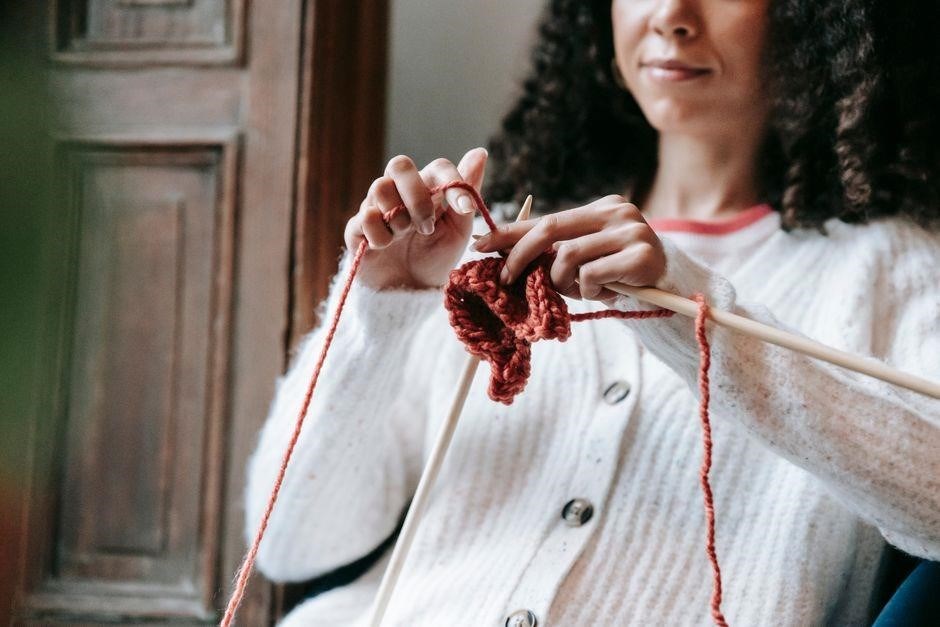
Top sites for loom stitch PDFs include LoomCraft.org‚ where free patterns span from basic plain weave to leno work. The LoomingCommunity forum hosts PDFs‚ while the LoomCo website offers collections. PDFs are downloadable‚ searchable‚ and printable‚ making them ideal for knitters worldwide.for all skill tiers.
Free Loom Stitch PDFs
For knitters seeking cost‑free resources‚ several reputable sites offer downloadable PDF libraries covering a spectrum of loom stitches. LoomCraft.org hosts a public domain collection of plain weave‚ twill‚ and leno patterns‚ all available in PDF format for instant printing. The LoomingCommunity forum’s “Free PDFs” thread features rare grommet designs‚ and allows members to comment on stitch variations. LoomCo’s “Open Patterns” section provides a searchable index of free PDFs‚ each accompanied by a brief description and recommended loom size. Additionally‚ the Textile Heritage Archive offers a curated set of historical loom stitch PDFs‚ preserving traditional techniques for modern makers. These resources are typically free to download‚ require no subscription‚ and can be printed or viewed on any device. Users can also contribute their own PDFs‚ fostering a collaborative learning environment. PDFs
- LoomCraft.org – free PDF library of basic and advanced stitches.
- LoomingCommunity – user‑shared PDFs with comments and stitch variations.
- LoomCo Open Patterns – searchable index of free PDFs for various loom sizes.
- Textile Heritage Archive – historical stitch PDFs preserving traditional techniques.
- Free Loom Stitch PDFs on Pinterest – curated boards with downloadable PDFs.
- Community forums on Reddit r/loomknitting – links to free PDF resources.
These PDFs are free and compatible with any PDF viewer PDFs.
How to Use PDFs for Learning
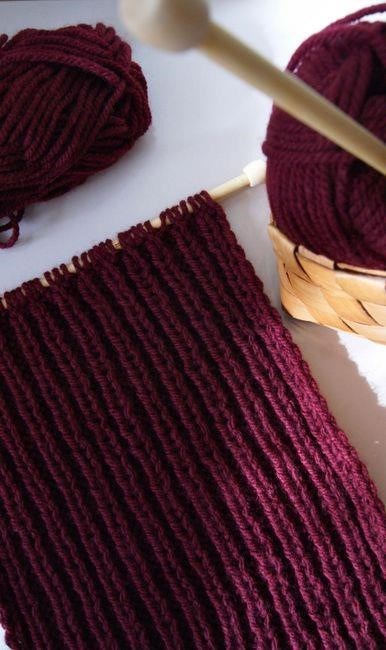
Begin by selecting a PDF that matches your loom size and skill level. Open the file‚ zoom into stitch diagrams‚ and print if needed. Follow the step‑by‑step instructions‚ pausing to practice each stitch before moving on. Review the PDF regularly to reinforce patterns. Use PDF zoom to track progress.
Step‑by‑Step Guides
Step‑by‑step guides in loom‑stitch PDFs break complex patterns into manageable stages‚ making learning intuitive. Each guide typically starts with a brief overview of required materials‚ followed by diagram of the initial stitch layout. Users are encouraged to set up their loom‚ thread the warp‚ and tension the yarn before proceeding. Guides then progress through the sequence‚ often using numbered steps. A plain weave pattern starts with a “lay‑up” step. Subsequent steps illustrate how to insert the weft yarn‚ weave over and under‚ and secure the knot. The PDF may include side‑by‑side comparisons of correct versus incorrect tension‚ helping novices spot common mistakes early. Some advanced guides also provide a “troubleshooting” sidebar that lists typical errors and quick fixes. To maximize retention‚ the step‑by‑step format encourages repetition. After completing a full cycle‚ readers are prompted to review the diagram and repeat the sequence until the pattern feels natural. Some PDFs also provide a “practice loop” section where users can experiment with variations‚ such as changing yarn weight or adding a decorative stitch‚ before integrating it into the main pattern. Finally‚ many loom‑stitch PDFs offer downloadable worksheets or printable checklists that track completed steps. These tools allow learners to maintain a learning log‚ set goals‚ and celebrate milestones. By following a structured‚ step‑by‑step approach‚ beginners can build confidence‚ while experienced knitters can refine technique and explore new designs with ease.
Troubleshooting Common Issues
Common loom issues include uneven tension‚ slipped knots‚ and misaligned warp. Check warp tension‚ secure ends‚ and use a tension roller. If knots unravel‚ re‑thread and tighten. For misaligned patterns‚ re‑check the diagram and adjust loom spacing. If the warp drifts‚ use a tension bar. Check alignment.
Misinterpreted Stitch Diagrams
When working from a PDF‚ a common pitfall is misreading the visual cues that denote stitch types‚ warp direction‚ or tension markers. Many diagrams use a combination of symbols—dots‚ arrows‚ and shaded areas—to convey subtle differences. If the viewer is unfamiliar with the legend‚ a simple “X” might be mistaken for a “V” stitch‚ producing an unintended texture. Likewise‚ the orientation of warp threads is often implied by the placement of the warp line; a mis‑aligned warp line can lead to a pattern that drifts or becomes uneven.
Another frequent source of confusion is the use of color coding. PDFs often employ color to differentiate between front‑side and back‑side stitches or to highlight tension changes. When printed on a monochrome printer‚ these distinctions vanish‚ and the user may inadvertently apply the wrong stitch sequence. To mitigate this‚ many designers now include a textual key or use distinct shapes (e.g.‚ circles vs. squares) that remain visible regardless of color.
To avoid misinterpretation‚ always cross‑reference the diagram legend before starting. If the PDF lacks a clear legend‚ consult the author’s notes or look for a downloadable “key” file. When in doubt‚ test the first few rows on a small swatch; this allows you to confirm that the warp tension and stitch orientation match the diagram. A small error early on can cascade into a large‚ costly mistake‚ so patience and verification are essential.
- Check the legend for symbols that represent warp direction‚ stitch type‚ and tension changes.
- Use a monochrome test print to confirm that color‑coded cues are still distinguishable.
- Verify warp line placement; a misplaced line can shift the entire pattern.
- When symbols overlap‚ look for accompanying text or a separate key file.
- Always create a small test swatch before committing to a full piece.
These steps help maintain stitch integrity and reduce frustration during learning. Practice these diagrams to build confidence and speed. Savorthe process!