The Westinghouse EasyCare 300 Series offers reliable laundry solutions‚ featuring models like the 7․5kg WWF7524N3WA․ These front-load washers prioritize efficiency and convenience for modern households․
Overview of the Series
The Westinghouse EasyCare 300 Series represents a commitment to delivering practical and dependable washing machine solutions for everyday families․ This range‚ including the popular 7․5kg models like the WWF7524N3WA‚ focuses on balancing performance with user-friendly operation․ Key characteristics include a variety of wash programs – offering options like Daily Wash‚ Fast Wash (60 minutes)‚ and Eco Wash – designed to cater to diverse laundry needs․
These machines boast features such as an INOX drum for durability and auto water level sensing for optimized water usage․ The series also incorporates convenient functionalities like a pause and add button‚ and a delay end option‚ allowing users to schedule washes according to their lifestyle․ Overall‚ the EasyCare 300 series aims to simplify laundry day with its blend of efficiency and ease of use․
Key Features and Specifications (WWF7524N3WA)
The Westinghouse WWF7524N3WA EasyCare 300 boasts a 7․5kg capacity‚ ideal for handling typical family laundry loads․ It features 14 distinct wash programs‚ providing versatility for various fabric types and soil levels․ A notable specification is the 1200rpm spin speed‚ contributing to efficient water extraction and reduced drying times․ The machine incorporates a durable motor designed for longevity and reliable performance․
Further enhancing usability is a large drum opening‚ simplifying loading and unloading․ Energy efficiency is also a key aspect‚ aligning with modern sustainability concerns․ The appliance accepts both liquid and powder detergents‚ offering user convenience․ Its dimensions and weight are designed for standard laundry spaces‚ while the auto water level sensing optimizes water consumption for each wash cycle․
Understanding the Control Panel
The Westinghouse EasyCare 300’s control panel offers intuitive operation with clearly labeled buttons and display indicators for selecting wash programs and settings easily․
Buttons and Their Functions
The Westinghouse EasyCare 300’s control panel features several key buttons for managing your laundry cycles․ The ‘Power’ button initiates or terminates the machine’s operation․ ‘Start/Pause’ begins the selected program or temporarily halts it for adding garments․ A ‘Delay End’ option allows scheduling wash completion․
The ‘Program Selector’ dial navigates through the available wash programs – Daily‚ Fast‚ Eco‚ and Delicates‚ among others․ A ‘Temperature’ button adjusts the water temperature‚ while ‘Spin Speed’ controls the final spin cycle intensity․ The ‘Pause and Add’ button‚ a convenient feature‚ enables adding forgotten items mid-cycle․ These buttons‚ combined with clear display indicators‚ ensure user-friendly operation․
Display Indicators and Symbols
The Westinghouse EasyCare 300 utilizes a clear display panel with various indicators and symbols to communicate the washing machine’s status․ A cycle progress bar visually represents the remaining wash time․ Symbols indicate the selected wash program – a cotton symbol for ‘Daily Wash’‚ a clock for ‘Delay End’‚ and a droplet for ‘Eco Wash’․
Error codes‚ displayed as alphanumeric combinations‚ signal potential issues requiring attention․ Indicators for ‘Water Supply’ and ‘Drainage’ alert users to any problems with water intake or expulsion․ A ‘Child Lock’ symbol illuminates when the control panel is locked‚ preventing accidental operation․ Understanding these indicators ensures efficient troubleshooting and optimal machine performance․
Using Your Washing Machine
The Westinghouse EasyCare 300 simplifies laundry day with its intuitive controls and 14 wash programs‚ accommodating diverse fabric types and cleaning needs efficiently․
Loading the Laundry
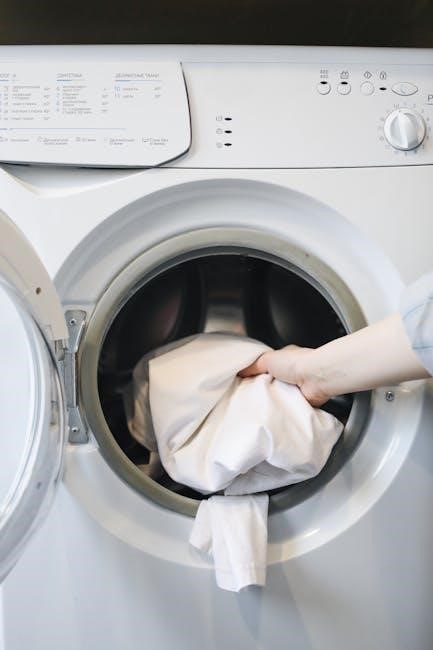
Properly loading your Westinghouse EasyCare 300 washing machine is crucial for optimal performance․ Begin by ensuring the laundry drum is empty of any forgotten items․ Distribute items loosely within the drum‚ avoiding overpacking‚ as this can hinder cleaning effectiveness and potentially damage the machine․
Separate laundry by fabric type‚ color‚ and soil level before loading․ Smaller items‚ like socks‚ should be placed inside a mesh laundry bag to prevent them from getting lost․ Avoid wrapping items around the drum‚ and ensure they aren’t blocking the detergent dispenser or the drum’s central agitator․
The 7․5kg capacity allows for substantial loads‚ but always adhere to the maximum load size indicated in the wash program selection guide to maintain efficiency and prevent strain on the motor․ A large drum opening facilitates easy loading and unloading of bulky items like duvets and blankets․
Detergent Dispenser – Types and Amounts
The Westinghouse EasyCare 300 features a convenient detergent dispenser drawer designed for powder or liquid detergents․ Locate the drawer‚ typically on the top left of the machine․ It’s divided into compartments – one for pre-wash detergent (if needed)‚ one for main wash detergent‚ and one for fabric softener․
Always use the recommended amount of detergent‚ guided by the detergent manufacturer’s instructions and the load size․ Overusing detergent can leave residue on clothes and in the machine․
For liquid detergent‚ avoid exceeding the ‘max’ fill line․ For powder detergent‚ use the provided measuring cup and fill accordingly․ Ensure the fabric softener compartment is filled only to the indicated level to prevent staining․ Regularly check and clean the dispenser to prevent blockages and ensure optimal detergent distribution․
Selecting Wash Programs
The Westinghouse EasyCare 300 offers a variety of wash programs to cater to different fabric types and laundry needs․ Rotate the program selector dial to choose the desired cycle․ Available options include Daily Wash‚ Fast Wash (60 minutes)‚ Eco Wash‚ and Delicates/Hand Wash․
The Daily Wash is suitable for normally soiled cottons․ The Fast Wash program provides a quicker wash for lightly soiled items․ Eco Wash optimizes water and energy usage for environmentally friendly cleaning․
For delicate fabrics like silk or lace‚ select the Delicates/Hand Wash program for a gentle cycle․ Consider load size and soil level when choosing a program for optimal results․ Refer to the machine’s control panel and manual for a complete list of programs and their specific settings․
Daily Wash Program
The Daily Wash program is designed for cottons and mixed fabrics with normal soiling․ It provides a balanced wash cycle‚ effectively removing everyday dirt and stains․ This program is ideal for frequently washed items like t-shirts‚ trousers‚ and bed linen․
To select the Daily Wash‚ turn the program selector dial to the corresponding setting․ The machine automatically adjusts the water level‚ wash time‚ and spin speed for optimal cleaning․
For best results‚ avoid overloading the drum․ Use the recommended amount of detergent based on the load size and soil level․ The Daily Wash program offers a reliable and convenient solution for your everyday laundry needs‚ ensuring clean and fresh clothes with every wash․
Fast Wash Program (60 Minutes)
The 60-minute Fast Wash program is perfect for lightly soiled laundry requiring a quick refresh․ This program efficiently cleans smaller loads‚ saving both time and energy․ It’s ideal for items worn briefly or those needing a quick turnaround‚ like work clothes or gym wear․
Select the Fast Wash program by turning the dial to the designated setting․ The machine utilizes a shorter wash cycle and optimized spin speed to deliver results in under an hour․
Remember to use the appropriate amount of detergent for the load size․ While effective‚ this program is best suited for lightly soiled items; heavily soiled clothes may require a more intensive wash cycle for optimal cleaning performance․
Eco Wash Program
The Eco Wash program is designed for optimal energy and water conservation‚ providing a sustainable laundry solution․ This program utilizes lower water temperatures and a reduced wash cycle duration to minimize environmental impact without compromising cleaning performance․ It’s ideal for everyday laundry loads with normal soil levels․
To select the Eco Wash program‚ simply turn the program dial to the corresponding setting․ The machine automatically adjusts water intake and spin speed for maximum efficiency․
Using a liquid detergent is recommended for this program to ensure thorough dissolution and prevent residue buildup․ While the cycle is longer than some others‚ the energy savings make it a responsible choice for frequent laundry loads․
Delicates/Hand Wash Program
The Delicates/Hand Wash program provides gentle care for your most fragile garments‚ mimicking the action of hand washing․ This program utilizes a slow drum rotation and cool water temperatures to prevent damage to delicate fabrics like silk‚ lace‚ and lingerie․ It’s perfect for items requiring extra attention․
Select this program by turning the dial to the ‘Delicates’ or ‘Hand Wash’ setting․ Always place delicate items inside a mesh laundry bag for added protection during the wash cycle․
Use a mild detergent specifically formulated for delicate fabrics․ Avoid using bleach or fabric softeners‚ as these can damage sensitive materials․ This program ensures your cherished items are cleaned with the utmost care․
Maintenance and Cleaning
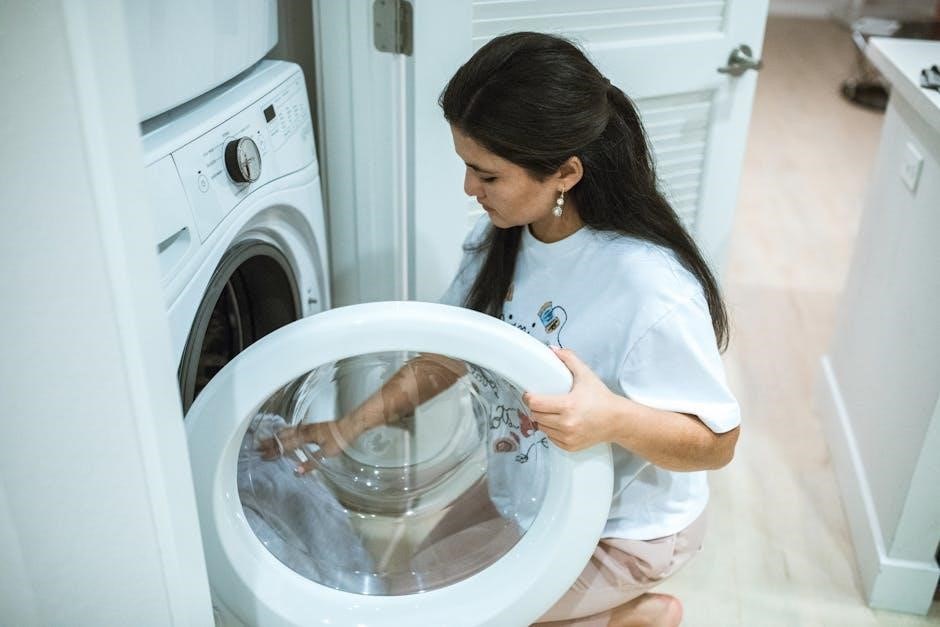
Regular cleaning maintains performance and longevity․ Clean the drum‚ detergent dispenser‚ and filter periodically to prevent buildup and ensure optimal washing results․
Cleaning the Drum
To effectively clean the drum of your Westinghouse EasyCare 300 washing machine‚ utilize a dedicated washing machine cleaner or a solution of white vinegar and baking soda․ Initiate a hot water cycle‚ preferably the longest available‚ without any laundry inside; This process helps dissolve detergent residue‚ fabric softener buildup‚ and potential mold or mildew growth within the drum․
Periodically‚ run this cleaning cycle – ideally every one to three months‚ depending on usage frequency – to maintain optimal hygiene and prevent unpleasant odors․ After the cycle completes‚ leave the door ajar to allow the drum to air dry thoroughly‚ further inhibiting mold development․ A clean drum ensures your clothes are washed in a fresh and sanitary environment‚ preserving their quality and extending the life of your appliance․
Cleaning the Detergent Dispenser
Regularly cleaning the detergent dispenser is crucial for maintaining your Westinghouse EasyCare 300’s performance․ Remove the dispenser drawer by pressing the release clip or button‚ consulting your user manual for specific instructions․ Rinse each compartment thoroughly under warm running water to dissolve any accumulated detergent or fabric softener residue․
Use a soft brush to gently scrub away stubborn buildup‚ ensuring all channels are clear․ Pay particular attention to the fabric softener compartment‚ as it’s prone to clogging․ Once clean‚ dry the dispenser completely before reinserting it into the washing machine․ This prevents mold growth and ensures accurate dispensing of laundry products‚ optimizing wash results and prolonging the dispenser’s lifespan․
Cleaning the Filter
The filter in your Westinghouse EasyCare 300 traps lint‚ debris‚ and small objects‚ preventing drain blockages․ Locate the filter access panel‚ typically at the front bottom of the machine – your manual will pinpoint its exact location․ Have a shallow container and towels ready to catch any spilled water․ Carefully open the panel and unscrew the filter cap‚ turning it counterclockwise;
Remove the filter and clean it thoroughly under running water‚ removing all accumulated lint and foreign objects․ Inspect the filter housing for any obstructions and clear them out․ Reinstall the filter‚ ensuring it’s securely tightened to prevent leaks․ Close the access panel․ Regular filter cleaning (every few months) maintains optimal drainage and washing machine performance․
Troubleshooting Common Issues
Common problems include the machine not starting‚ failing to drain‚ or leaking water․ Checking error codes and consulting the manual are crucial first steps․
Washing Machine Won’t Start
If your Westinghouse EasyCare 300 washing machine fails to start‚ several factors could be at play․ First‚ ensure the power cord is securely plugged into a functioning outlet․ Check your home’s circuit breaker or fuse box to confirm there hasn’t been a power interruption․
Verify the door is completely closed and latched; the machine won’t operate if the door isn’t properly secured․ Also‚ examine the start/pause button – a simple press might be all that’s needed․ If these steps don’t resolve the issue‚ consult the user manual for specific error codes displayed on the control panel‚ as these can pinpoint the problem․ Common causes include a faulty door lock switch or a problem with the internal motor components‚ potentially requiring professional repair․
Washing Machine Not Draining
Encountering a Westinghouse EasyCare 300 washing machine that won’t drain is a common issue with several potential causes․ Initially‚ check the drain hose for any kinks or obstructions that might be blocking water flow․ Ensure the hose isn’t inserted too far into the drainpipe‚ as this can also create a siphon effect preventing proper drainage․
A clogged drain filter is a frequent culprit; locate and carefully clean the filter‚ removing any lint‚ debris‚ or small objects; If the issue persists‚ there might be a problem with the drain pump itself‚ potentially requiring professional attention․ Refer to your user manual for specific instructions on accessing and cleaning the filter‚ and for troubleshooting guidance related to the drain pump․
Leaking Water
Discovering a leak from your Westinghouse EasyCare 300 washing machine requires immediate attention to prevent water damage․ First‚ inspect the drain hose connections at both the machine and the drainpipe‚ ensuring they are securely tightened․ Check the water inlet hoses connected to the water supply for any cracks or loose fittings; tighten or replace as needed․
Leaks can also originate from the door seal – examine it for tears‚ debris‚ or improper seating․ A faulty door lock switch might also contribute to leaks․ If the leak persists and you can’t identify the source‚ it’s advisable to consult a qualified technician․ Always disconnect the power supply before investigating any potential leak source for safety․
Error Codes and Their Meanings
The Westinghouse EasyCare 300 washing machine utilizes error codes to diagnose potential issues․ While specific codes vary‚ common indicators signal problems requiring attention․ A “LE” code often indicates a leak detected within the machine‚ prompting a check of hoses and connections․ “UE” typically signifies an unbalanced load‚ requiring redistribution of laundry items․
“DE” suggests a door-opening error‚ ensuring the door is securely closed during operation․ Other codes might relate to water supply issues or motor malfunctions․ Refer to the complete error code list within your user manual for precise definitions and recommended troubleshooting steps․ If an error persists after attempting solutions‚ contacting customer support is recommended․
Safety Precautions
Always follow general safety guidelines and electrical precautions when using the Westinghouse EasyCare 300․ Disconnect the machine before maintenance and avoid water exposure․
General Safety Guidelines
Prioritize safety during operation․ Keep children and pets away from the washing machine during cycles․ Never attempt to open the door while the drum is rotating․ Avoid placing heavy objects on top of the appliance‚ as this could cause damage or instability․
Inspect the power cord regularly for any signs of damage․ Do not use an extension cord․ Ensure the machine is properly grounded․ Before performing any maintenance or cleaning‚ always unplug the washing machine from the power outlet․
Do not wash items that have been cleaned with flammable liquids․ This poses a serious fire hazard․ Always check pockets for objects like coins or keys before loading laundry․ Follow the manufacturer’s instructions regarding load capacity to prevent overloading and potential damage to the machine․
Electrical Safety
Ensure proper electrical grounding is in place to prevent shock hazards․ The Westinghouse EasyCare 300 requires a dedicated‚ properly fused electrical outlet․ Never modify the power cord or plug․ If the cord is damaged‚ it must be replaced by a qualified technician․
Avoid operating the machine in damp environments‚ such as bathrooms‚ to minimize electrical risks․ Do not use the washing machine with wet hands․ Always unplug the appliance before cleaning or performing any maintenance․
If the machine experiences an electrical malfunction‚ immediately disconnect it from the power supply and contact a qualified service professional․ Do not attempt to repair electrical components yourself․ Regularly inspect the power cord for wear and tear‚ and replace it if necessary to maintain safe operation․
Technical Specifications
The WWF7524N3WA boasts a 7․5kg capacity‚ 1200rpm spin speed‚ and energy-efficient operation․ Dimensions and water consumption details are available in the full manual․
Dimensions and Weight
Understanding the physical specifications of the Westinghouse EasyCare 300‚ specifically the WWF7524N3WA model‚ is crucial for installation and space planning․ While precise dimensions require consulting the official manual‚ typical front-load washers of this capacity generally fall within a specific range․ Expect a height around 850mm‚ a width of approximately 600mm‚ and a depth of roughly 600-650mm․
These measurements are essential to ensure the appliance fits comfortably within your laundry room setup‚ allowing for adequate ventilation and access for maintenance․ The weight of the washing machine‚ when empty‚ is substantial – typically ranging between 65kg and 75kg․ This weight factor is important to consider when moving or installing the unit‚ potentially requiring assistance to prevent injury or damage․
Energy Efficiency Rating
The Westinghouse EasyCare 300 series prioritizes energy conservation‚ aiming to reduce both environmental impact and household utility bills․ The WWF7524N3WA model is designed to be energy-efficient‚ though the specific rating varies depending on regional standards and testing procedures․ Generally‚ these machines achieve a commendable energy efficiency rating‚ often falling within the 4-star or higher range on energy efficiency scales․
This rating reflects the machine’s ability to minimize water and electricity consumption per wash cycle․ Features like the Eco Wash program further enhance energy savings by optimizing wash parameters for reduced energy use․ Checking the energy label affixed to the appliance provides the most accurate and up-to-date information regarding its energy performance․
Water Consumption
The Westinghouse EasyCare 300 washing machine series is engineered with water conservation in mind‚ utilizing features to optimize water usage during each wash cycle․ The 7․5kg WWF7524N3WA model employs auto water level sensing technology‚ adjusting the water intake based on the load size; This intelligent system minimizes water waste‚ ensuring only the necessary amount of water is used for effective cleaning․
Typical water consumption varies depending on the selected wash program․ Eco wash programs are specifically designed for minimal water usage‚ while heavier-duty cycles may require more water․ The average water consumption per cycle generally falls within a range of 40-60 liters‚ contributing to responsible water management in the household․
Warranty Information
Westinghouse provides coverage details for the EasyCare 300 series‚ ensuring peace of mind․ Claim procedures are available through their official website and customer support channels․
Coverage Details
The Westinghouse EasyCare 300 washing machine warranty typically covers defects in materials and workmanship for a specified period from the date of original purchase․ This generally includes coverage for the sealed system – the drum‚ outer tub‚ and associated components – often for a longer duration than other parts․
Electrical components and general mechanical failures are usually covered for a standard warranty period․ However‚ the warranty does not extend to issues arising from misuse‚ improper installation‚ or normal wear and tear․ Damage caused by hard water‚ power surges‚ or unauthorized repairs will also void the warranty․
It’s crucial to retain proof of purchase to validate any warranty claim․ Specific terms and conditions can vary‚ so reviewing the official warranty documentation included with your WWF7524N3WA model is highly recommended․
How to Claim Warranty
To initiate a warranty claim for your Westinghouse EasyCare 300 washing machine (like the WWF7524N3WA)‚ first gather your proof of purchase – the original receipt or invoice – and the model/serial number․ Contact Westinghouse’s customer support team through their official website or phone number‚ readily available online․
You’ll likely need to describe the issue in detail and may be asked to provide photos or videos demonstrating the defect․ A qualified technician may be dispatched to assess the problem at your home‚ or you might be instructed to bring the appliance to an authorized service center․
Ensure all communication is documented‚ and follow the provided instructions carefully․ Keep records of all interactions and repair attempts to facilitate a smooth warranty process․