
Esthetician Study Guide: A Comprehensive Plan
Master esthetics with detailed study guides, flashcards, and practice exams! Pinpoint areas for improvement, track progress, and prepare effectively for licensing success.

Embark on a journey into the world of skin care! Esthetics encompasses maintaining and improving the skin’s health and appearance. This field requires a strong understanding of skin anatomy, physiology, and various treatment techniques. Successful estheticians possess both technical skills and ethical conduct.
Preparation involves utilizing comprehensive study guides, mastering key concepts, and practicing with relevant exam questions. A solid foundation in esthetics principles is crucial for licensing and a thriving career.
II. Skin Anatomy and Physiology
Understanding skin’s structure is fundamental! Explore the epidermis, dermis, and hypodermis – each layer with unique functions. Learn about keratinocytes, melanocytes, and fibroblasts, vital skin cell types. Grasping skin physiology, including barrier function and nutrient absorption, is essential. Detailed study of these areas, utilizing resources like Mometrix guides, will build a strong base for effective treatment planning and client care.
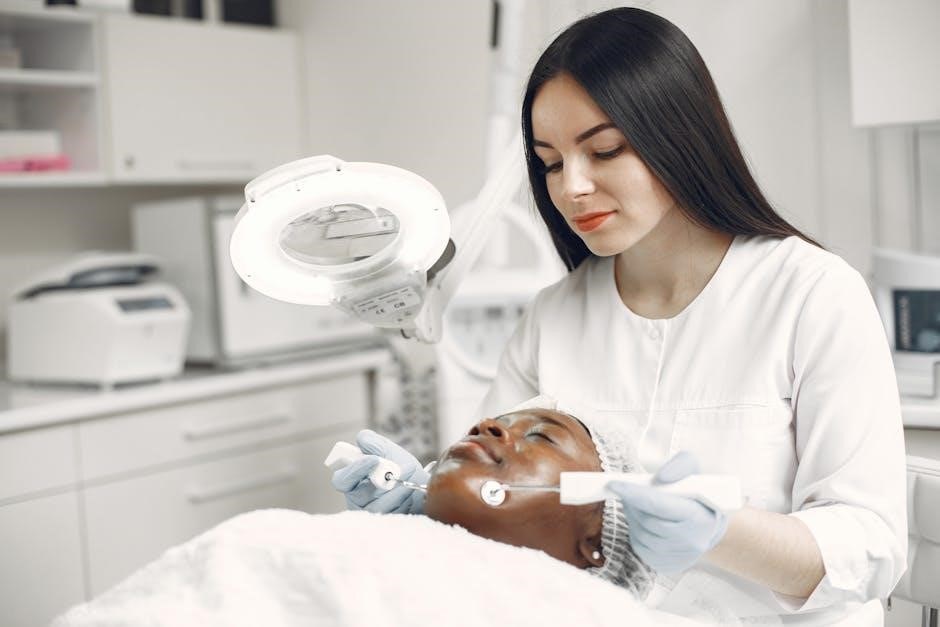
A. Layers of the Skin (Epidermis, Dermis, Hypodermis)
Delve into the skin’s architecture! The epidermis, our protective outer layer, constantly renews. Beneath lies the dermis, housing collagen, elastin, and vital structures. Finally, the hypodermis provides insulation and cushioning. Comprehending each layer’s composition – cells, proteins, and vasculature – is crucial. Mastering this foundational knowledge, through focused study, enables informed decisions regarding skincare treatments and product selection.
B. Skin Cell Types and Functions
Explore the cellular world of skin! Keratinocytes form the epidermis, providing a protective barrier. Melanocytes produce pigment, shielding against UV damage. Langerhans cells defend against pathogens, while Merkel cells detect touch. Fibroblasts in the dermis synthesize collagen and elastin. Understanding each cell’s role – protection, pigmentation, immunity, and structural support – is vital for effective esthetic practice.
III. Skin Disorders and Conditions
Recognize and understand common skin concerns! Acne, rosacea, and eczema require distinct approaches. Learn to differentiate between various skin diseases and accurately identify skin types – oily, dry, combination, sensitive. Proper assessment is crucial for tailoring treatments. Mastering these skills ensures safe and effective esthetic services, avoiding exacerbation of existing conditions and promoting skin health.
A; Common Skin Diseases (Acne, Rosacea, Eczema)
Acne presents with comedones, papules, and pustules; Rosacea causes redness, visible vessels, and potential inflammation. Eczema manifests as itchy, inflamed skin. Estheticians must understand contraindications for each. Avoid aggressive treatments on affected areas. Knowledge of triggers and appropriate ingredient avoidance is vital for client safety and managing these prevalent skin conditions effectively.

B. Identifying Skin Types and Conditions for Treatment
Accurate skin analysis is crucial! Determine if skin is normal, dry, oily, combination, or sensitive. Assess for conditions like dehydration, hyperpigmentation, or sun damage. Client consultation reveals lifestyle factors impacting skin health. Tailor treatments based on individual needs, avoiding harsh ingredients on sensitive skin. Proper identification ensures effective, safe, and personalized esthetic services.
IV. Facial Treatments
Facial treatments rejuvenate and address skin concerns! Master cleansing and exfoliation techniques for optimal product absorption. Learn diverse mask applications – clay, cream, gel – understanding their unique benefits. Implement effective facial massage to boost circulation and relaxation. Customize treatments based on skin analysis, ensuring client satisfaction and achieving desired results.
A. Cleansing and Exfoliation Techniques
Proper cleansing removes debris, preparing skin for further treatment! Explore various methods – oil, cream, gel cleansers – suited to different skin types. Master exfoliation, utilizing physical scrubs and chemical peels to remove dead skin cells. Understand enzyme peels for gentle resurfacing. Always prioritize client comfort and safety, avoiding over-exfoliation and irritation.
B. Mask Application and Benefits

Facial masks deliver concentrated ingredients for targeted skin concerns! Learn diverse mask types – clay, cream, gel, sheet masks – and their specific benefits. Clay masks absorb oil, while hydrating masks replenish moisture. Proper application ensures even coverage, avoiding sensitive areas. Understand ingredient interactions and contraindications for optimal results and client safety.
C. Facial Massage Techniques
Facial massage enhances circulation, lymphatic drainage, and product absorption! Master effleurage (gliding), petrissage (kneading), tapotement (tapping), and friction techniques. Understand muscle anatomy and massage lines for effective manipulation. Adapt pressure to client sensitivity and skin conditions. Proper hand positioning and draping are crucial for comfort and professionalism, promoting relaxation and rejuvenation.
V. Chemical Exfoliation
Chemical peels utilize acids to remove outer skin layers! Learn AHA (alpha hydroxy acids) like glycolic and lactic acid for superficial exfoliation. Understand BHA (beta hydroxy acids), such as salicylic acid, for deeper pore cleansing. Master pH levels, application techniques, and neutralization procedures. Client assessment and contraindication awareness are vital for safe, effective treatments, addressing concerns like hyperpigmentation.
A. AHA (Alpha Hydroxy Acid) Treatments
AHAs are water-soluble acids exfoliating skin’s surface! Glycolic acid, derived from sugar cane, offers potent exfoliation. Lactic acid, from milk, is gentler, ideal for sensitive skin. Mandelic acid, from almonds, suits rosacea-prone clients. Understand concentrations, pH levels, and application protocols. Proper neutralization is crucial, alongside post-treatment sun protection guidance for optimal results.
B. BHA (Beta Hydroxy Acid) Treatments
BHAs, like salicylic acid, are oil-soluble, penetrating pores deeply! This makes them excellent for acne and oily skin, dissolving sebum and preventing breakouts. Understand the difference between superficial and deeper peels, and client suitability. Proper application techniques and post-treatment care are vital. Always assess skin sensitivity and potential for irritation before and after treatment.
VI. Hair Removal Techniques
Master waxing procedures, prioritizing client safety and sanitation! Learn pre and post-waxing protocols, different wax types, and hair growth cycles. Explore threading and epilation methods, understanding contraindications for each. Proper angle and tension are crucial for effective hair removal. Always perform a patch test and educate clients on aftercare to minimize irritation.
A. Waxing Procedures and Safety

Prioritize client safety during waxing! Understand contraindications like retinoid use or skin conditions. Master proper heating and temperature checks for wax. Employ hygienic practices – double-dipping is strictly prohibited. Learn pre-wax skin preparation and post-wax soothing techniques. Always perform a patch test and document client history thoroughly to avoid adverse reactions.

B. Threading and Epilation Methods
Explore alternative hair removal techniques! Threading utilizes twisted cotton threads to precisely remove hair from the follicle. Epilation involves removing hair with the root intact, offering longer-lasting results. Understand the specific contraindications for each method, ensuring client safety. Master proper sanitation protocols for threading thread and epilation devices. Client consultation is key to determine the best method.
VII. Makeup Application
Develop artistry with comprehensive makeup skills! Grasp color theory principles for flawless application, considering skin tones and eye color. Learn techniques for everyday looks, and specialize in bridal and special occasion makeup. Master contouring, highlighting, and color correction. Understand product knowledge, brush selection, and sanitation. Client consultation is vital for personalized makeup artistry.
A. Color Theory and Application Techniques
Unlock the secrets of harmonious makeup! Understand the color wheel, complementary and analogous colors, and their impact on skin. Master techniques like color correcting, contouring, and highlighting to enhance features. Learn to match foundation shades accurately and apply eyeshadow for various eye shapes. Practice blending seamlessly for a professional finish.
B. Bridal and Special Occasion Makeup
Create unforgettable looks for life’s special moments! Learn techniques for long-lasting makeup that photographs beautifully. Master application for diverse skin tones and types, considering lighting conditions. Understand bridal makeup trends and customize looks to client preferences. Practice airbrushing and false lash application for a flawless, camera-ready finish.
VIII. Sanitation and Sterilization
Protect clients and yourself with rigorous sanitation protocols! Master disinfection procedures for tools and equipment, adhering to state board regulations. Learn proper handling of implements to prevent cross-contamination. Understand the difference between sterilization, disinfection, and sanitation. Implement effective cleaning routines and maintain a hygienic workspace for client safety and professional integrity.
A. Disinfection Procedures
Effective disinfection is crucial for preventing the spread of infection! Learn to properly use EPA-registered disinfectants, following manufacturer’s instructions for contact time and dilution. Understand the importance of pre-cleaning before disinfection. Master procedures for disinfecting metal, plastic, and porous surfaces. Regularly review and update sanitation protocols to ensure compliance.
B. Proper Handling of Tools and Equipment
Maintain tool integrity and client safety through correct handling! Always inspect tools for damage before and after each use. Implement proper cleaning and sterilization techniques for all implements. Store tools in a clean, dry, and designated area. Understand the difference between sterilization, disinfection, and sanitation. Adhere to state board regulations regarding tool maintenance.
IX. Electricity and Modalities
Understand electrical principles and their safe application in esthetics! Learn about galvanic current – its uses for desincrustation and iontophoresis. Explore high-frequency current and its effects on skin and tissues. Master safe operation procedures and contraindications for each modality. Recognize electrical safety measures to prevent hazards and ensure client well-being.
A. Galvanic Current and its Uses

Galvanic current utilizes direct current for various skincare treatments! It’s employed in desincrustation, softening and removing solidified sebum and debris. Iontophoresis uses it to drive water-soluble ingredients into the skin. Understand polarity – positive attracts negative, and vice versa. Proper application requires conductive gels and careful timing. Contraindications include pregnancy and metal implants.
B. High-Frequency Current and its Effects
High-frequency current generates thermal energy, stimulating circulation and nerve endings! It’s known for its antibacterial and antiseptic properties, beneficial for acne treatment. Electrodes create sparks when applied to the skin, enriching oxygen levels. Avoid use on clients with pacemakers or during pregnancy. Different electrodes target specific areas; always prioritize client comfort and safety.
X. Exam Preparation Strategies
Maximize your exam success with focused preparation! Utilize comprehensive study guides and create effective flashcards for key concepts. Practice consistently with realistic questions and full-length mock exams to build confidence. Track your progress, identifying weak areas for targeted review. Don’t schedule the exam until fully familiar with all outlined topics; a calendar countdown aids final preparation!
A. Utilizing Study Guides and Flashcards
Boost retention with strategic study tools! Comprehensive guides deliver critical information – concepts, procedures, and vocabulary – expected by licensing boards. Flashcards, like those from Quizlet, are ideal for memorizing definitions and key terms. Focus on mastering the PSI content outlines. Regularly review materials, and supplement with practice questions for optimal knowledge consolidation and exam readiness.
B. Practice Questions and Mock Exams
Simulate the exam environment for peak performance! Utilize practice questions with detailed explanations to identify knowledge gaps. Full-length mock exams, mirroring the 75 scored and 10 experimental questions format, build stamina and reduce test anxiety. Don’t schedule the exam until comfortable with all topics. Analyze results to refine study efforts and maximize your chances of success.
XI. Pennsylvania Esthetician Licensing Requirements
Navigate Pennsylvania’s licensing process with clarity! The initial step involves successfully passing the state esthetician exam. Familiarize yourself with the specific requirements outlined by the Pennsylvania State Board of Cosmetology. Ensure eligibility before scheduling, understanding application procedures, and associated fees. Thorough preparation, utilizing comprehensive study materials, is crucial for passing and obtaining your Pennsylvania esthetician license.
XII. Professional Ethics and Conduct
Uphold the highest standards of ethical practice! Estheticians must demonstrate integrity, honesty, and respect for all clients. Maintain confidentiality, practice within scope, and avoid conflicts of interest. Adherence to a professional code of conduct builds trust and ensures client safety. Ethical behavior is paramount for a successful and reputable esthetics career.

XIII. Product Knowledge
Become an expert in skincare ingredients and formulations! Understand the benefits of each component and how they interact with different skin types. Decipher product labels, recognizing key actives and potential allergens. Thorough product knowledge allows for informed recommendations, personalized treatments, and ensures optimal client results. Continuous learning is crucial in this evolving field.
A. Ingredients and their Benefits
Delve into the world of skincare actives! Explore the benefits of ingredients like hyaluronic acid for hydration, retinoids for anti-aging, and vitamin C for brightening. Understand how peptides stimulate collagen, and salicylic acid combats acne. Knowing ingredient functions allows for targeted treatment plans, addressing specific client concerns effectively and safely.
B. Understanding Product Labels
Become a label-reading expert! Learn to decipher ingredient lists, identifying potentially irritating or allergenic components. Understand the difference between active and inactive ingredients, and recognize preservative systems. Familiarize yourself with INCI names and concentration levels. This skill ensures safe and effective product recommendations, protecting client health and building trust.
XIV. Client Consultation and Analysis
Master the art of the client consultation! Thoroughly assess skin type, condition, and concerns through detailed questioning and visual analysis. Understand client lifestyle factors impacting skin health. Document findings accurately and develop personalized treatment plans. Effective communication builds rapport, manages expectations, and ensures optimal results, prioritizing client safety and satisfaction.
XV. Post-Treatment Care and Homecare Recommendations
Maximize treatment benefits with tailored post-care advice! Educate clients on proper skincare routines, sun protection, and potential reactions. Recommend appropriate homecare products based on skin analysis and treatment goals. Emphasize consistency for lasting results. Detailed instructions and product knowledge empower clients to maintain skin health between appointments.
XVI. Legal Aspects of Esthetics
Understand the legal boundaries of your practice! Familiarize yourself with state regulations, scope of practice, and liability concerns. Maintain accurate client records and obtain informed consent for all procedures. Adhere to sanitation standards and product usage guidelines. Knowledge of legal aspects protects both the esthetician and the client, ensuring ethical practice.
XVII. Advancing Your Esthetics Career
Continuous learning is key to professional growth! Explore advanced training in specialized treatments like microdermabrasion or laser therapy. Consider becoming a skincare specialist or opening your own practice. Networking with industry professionals and staying updated on new technologies will enhance your career trajectory and earning potential.
XVIII. Study Progress Tracking and Insights
Monitor your learning journey with detailed progress reports! Utilize study tools offering breakdowns by objective areas to identify strengths and weaknesses. Generate custom study sessions focused on challenging topics. Track exam day countdowns to maintain momentum and ensure comprehensive preparation. Detailed insights empower focused studying for optimal exam performance.
XIX. Exam Day Countdown and Preparation
Finalize your readiness with a strategic countdown! Leverage calendar features to track remaining time and reinforce key concepts. Avoid scheduling the exam prematurely; ensure familiarity with all outlined topics. Focus on reviewing practice questions and mastering essential vocabulary. Prioritize rest and relaxation to approach the exam feeling confident and prepared for success.