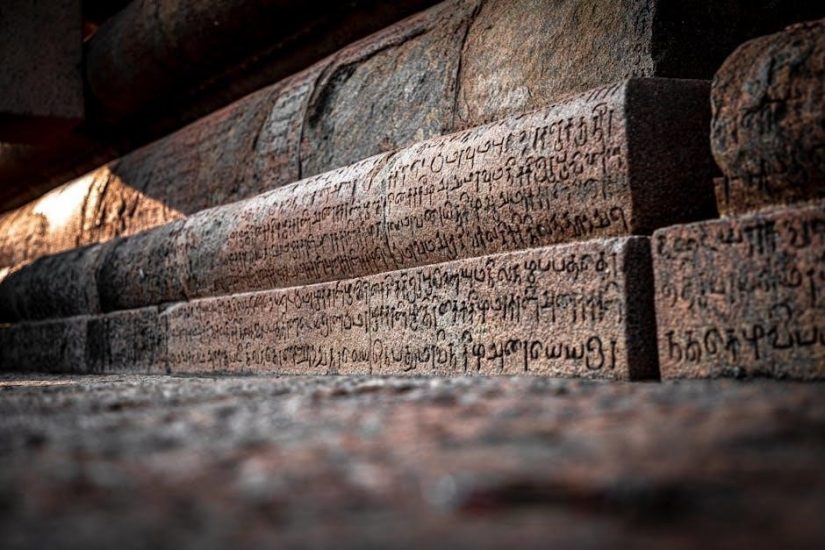
Today, April 28, 2026, access to vital resources like Bhagavad Gita slokas in PDF format faces challenges, prompting a need for readily available digital copies․
The Internet Archive, a crucial repository, currently experiences access issues, impacting the availability of approximately 500,000 books, including translations of this sacred text․
Despite these hurdles, the Bhagavad Gita’s enduring relevance continues to inspire, offering guidance through its teachings on action, devotion, and self-awareness, easily accessible via PDF․
Current Access Issues & Internet Archive
The Internet Archive, a cornerstone for digital preservation and access, is currently facing significant challenges impacting the availability of numerous books, including valuable Bhagavad Gita slokas in PDF format․ As of today, April 28, 2026, approximately 500,000 books are temporarily inaccessible due to ongoing legal disputes and technical limitations․
This situation directly affects researchers, students, and devotees seeking to study the Gita’s teachings through digital means․ The Archive’s in-browser book reader, a convenient tool for accessing these texts, requires JavaScript, which some users may have disabled․ Furthermore, the organization is actively requesting support to restore full access, emphasizing the importance of open access to knowledge․
The temporary unavailability underscores the fragility of digital resources and the need for robust preservation strategies․ Finding alternative, reliable sources for Bhagavad Gita PDFs becomes crucial during this period, while hoping for a swift resolution to the Internet Archive’s access issues․
The Timeless Relevance of the Bhagavad Gita
The Bhagavad Gita transcends time, offering profound wisdom applicable to the complexities of modern life, making Bhagavad Gita slokas in PDF format particularly valuable for contemporary seekers․ Its verses address universal themes of duty, devotion, and self-realization, providing guidance for navigating life’s challenges and achieving inner peace․
The teachings on Karma Yoga – detached action – resonate deeply in a world often driven by results and ambition․ Similarly, the path of Bhakti Yoga, emphasizing devotion, offers solace and connection․ The Gita’s exploration of self-awareness and the nature of reality continues to inspire philosophical inquiry․
Accessibility to these teachings, especially through convenient PDF versions, ensures the Gita’s message reaches a wider audience․ Its enduring relevance lies in its ability to provide practical wisdom for cultivating equanimity, purpose, and a deeper understanding of oneself and the world․

Understanding the Bhagavad Gita
Bhagavad Gita slokas in PDF offer accessible entry into this ancient scripture, revealing dialogues about dharma, karma, and liberation within the epic Mahabharata narrative․
What is the Bhagavad Gita?
The Bhagavad Gita, meaning “The Song of the Lord,” is a 700-verse Hindu scripture forming a crucial part of the epic Mahabharata․ It’s presented as a dialogue between Arjuna and Krishna on the battlefield of Kurukshetra․
Digitized versions, specifically Bhagavad Gita slokas in PDF format, have become incredibly popular for study and dissemination․ These PDFs allow readers to easily access and explore the verses, often with translations and commentaries․ The text explores fundamental questions about life, death, duty, and the nature of reality․
The Gita isn’t simply a philosophical treatise; it’s a practical guide to navigating life’s challenges․ PDF accessibility ensures wider reach, enabling individuals to connect with its wisdom regardless of location or circumstance․ Its teachings are universally applicable, offering insights into ethical conduct and spiritual growth․
The Context: Mahabharata and Kurukshetra
The Bhagavad Gita unfolds within the larger narrative of the Mahabharata, an ancient Indian epic detailing a dynastic struggle․ The pivotal setting is Kurukshetra, a battlefield where two warring factions of the same family – the Pandavas and Kauravas – prepare for a devastating conflict․
It’s on this battlefield, facing his kin in battle, that Arjuna experiences a crisis of conscience, prompting a discourse with Krishna․ Accessing Bhagavad Gita slokas in PDF allows readers to understand this context, appreciating the weight of Arjuna’s dilemma․ The PDF format facilitates easy reference to specific verses within the broader epic․
Kurukshetra symbolizes the internal battle within each individual – the struggle between duty and desire, right and wrong․ The availability of the Gita in PDF form makes this profound allegory accessible to a global audience, fostering contemplation and self-reflection;
Key Characters: Arjuna, Krishna, and Dhritarashtra
Arjuna, a skilled warrior, represents humanity grappling with moral dilemmas․ His despair on the Kurukshetra battlefield initiates the Gita’s central dialogue․ Krishna, his charioteer and divine guide, imparts wisdom, revealing the path to liberation․ Studying Bhagavad Gita slokas in PDF clarifies Krishna’s role as an avatar and teacher․
Dhritarashtra, the blind king and patriarch of the Kauravas, embodies attachment and worldly desires․ His perspective highlights the consequences of clinging to illusion․ PDF versions often include commentaries that illuminate the significance of each character’s viewpoint․
Understanding these characters is crucial for interpreting the Gita’s teachings․ A well-formatted PDF allows for easy cross-referencing of slokas relating to each figure, enhancing comprehension of their motivations and the lessons they embody․ Accessing these texts digitally promotes deeper engagement․

Core Teachings of the Bhagavad Gita
Bhagavad Gita slokas in PDF reveal core teachings: Karma Yoga, Bhakti Yoga, and Jnana Yoga, alongside Dharma, Atman, and Brahman, offering a path to peace․
Karma Yoga: The Path of Action
Karma Yoga, as illuminated in Bhagavad Gita slokas in PDF, emphasizes selfless action performed without attachment to results․ This path isn’t about avoiding work, but about transforming it into a spiritual practice․
The Gita stresses detached action – acting diligently, fulfilling one’s duty (Dharma), but relinquishing the desire for personal gain or specific outcomes․ Studying PDF versions allows for focused examination of verses detailing this principle, fostering equanimity amidst life’s fluctuations․
Through Karma Yoga, individuals can purify their minds and progress spiritually, understanding that the action itself is the offering, not the reward․ Accessing Bhagavad Gita slokas in PDF facilitates deeper contemplation of these concepts, enabling practical application in daily life, leading to inner peace and liberation․
Bhakti Yoga: The Path of Devotion
Bhakti Yoga, the path of devotion, as revealed in Bhagavad Gita slokas in PDF, centers on cultivating a loving relationship with the Divine․ This isn’t merely ritualistic worship, but a heartfelt connection transcending ego and fostering unconditional surrender․
The Gita highlights various forms of devotion – from chanting and prayer to selfless service – all aimed at uniting the individual soul with the Supreme․ Studying PDF translations allows for intimate engagement with verses expressing profound love and longing for Krishna, the divine embodiment․
Through Bhakti Yoga, one experiences joy, peace, and liberation by dissolving the boundaries between self and God․ Accessing Bhagavad Gita slokas in PDF provides a direct link to these teachings, inspiring a deeply personal and transformative spiritual journey․
Jnana Yoga: The Path of Knowledge
Jnana Yoga, the path of knowledge, detailed within Bhagavad Gita slokas in PDF, emphasizes discerning the true nature of reality through wisdom and self-inquiry․ It’s a rigorous path demanding intellectual discipline and a relentless pursuit of understanding the distinction between the eternal Self (Atman) and the transient world․
Studying PDF versions of the Gita facilitates deep contemplation of key concepts like Brahman, Maya, and the illusion of separateness․ This path isn’t simply accumulating information, but realizing the inherent unity of all existence through direct experience․
Accessing Bhagavad Gita slokas in PDF allows for focused study and reflection, guiding practitioners towards liberation by dismantling ignorance and revealing the ultimate truth․ It’s a journey of intellectual and spiritual awakening․
The Concept of Dharma
Dharma, a central tenet explored within Bhagavad Gita slokas in PDF, transcends simple duty; it represents righteous conduct, cosmic order, and the inherent nature of things․ Understanding one’s svadharma – individual duty aligned with one’s capabilities and station in life – is crucial․
The Gita, accessible through PDF versions, clarifies that fulfilling one’s dharma, even imperfectly, is superior to perfectly performing another’s․ This isn’t blind adherence to rules, but a conscious alignment with universal principles․
Studying these slokas in PDF format reveals how dharma isn’t static, but evolves with context․ Arjuna’s dilemma exemplifies the complexities of dharma, prompting Krishna’s guidance on acting selflessly and upholding righteousness․ It’s a path of ethical living and purposeful action․
Understanding Atman and Brahman
The Bhagavad Gita slokas in PDF delve into the profound relationship between Atman – the individual soul – and Brahman – the ultimate reality․ These texts explain that Atman is not separate from Brahman, but rather a part of it, like a wave is to the ocean․

Exploring these concepts through PDF study reveals the illusion of separateness (Maya) and the path to realizing one’s true nature․ Understanding this unity is key to liberation (moksha), freeing oneself from the cycle of birth and death․
The Gita, readily available in PDF translations, emphasizes that recognizing the divine spark within (Atman) leads to self-realization and union with the universal consciousness (Brahman)․ This knowledge, found within the slokas, is transformative․

Exploring Bhagavad Gita Slokas in PDF Format
Bhagavad Gita slokas in PDF offer convenient access to various translations, enabling deeper study and contemplation of its timeless wisdom and spiritual insights․
Popular PDF Versions and Translations
Numerous PDF versions of the Bhagavad Gita are available, each offering a unique perspective and translation․ These digital formats make the scripture incredibly accessible for study and contemplation․
Swami Vivekananda’s translation is highly regarded for its eloquent prose and insightful commentary, often found as a freely downloadable PDF․ Eknath Easwaran’s translation is also popular, known for its clarity and emphasis on practical application of the Gita’s teachings, readily available in PDF format․
For those seeking a more devotional approach, A․C․ Bhaktivedanta Swami Prabhupada’s “Bhagavad Gita As It Is” is a widely circulated PDF, offering a detailed commentary from a Vaishnava perspective․ When seeking Bhagavad Gita slokas in PDF, exploring these prominent translations provides a rich and diverse learning experience․
These PDFs allow for easy searching, annotation, and offline access․
Swami Vivekananda’s Translation PDF
Swami Vivekananda’s translation of the Bhagavad Gita is celebrated for its poetic beauty and profound insights, making its PDF version a highly sought-after resource․ He skillfully blends traditional interpretations with a modern, universal appeal, resonating with a broad audience․
The PDF format allows for convenient access to his complete translation and commentary, facilitating in-depth study of the Bhagavad Gita slokas․ His work emphasizes the practical application of the Gita’s teachings to daily life, focusing on selfless action and the realization of one’s true nature․
Many online platforms offer this translation as a free PDF download, ensuring widespread availability․ Readers appreciate Vivekananda’s ability to convey the essence of the Gita in a clear and inspiring manner, making it an excellent starting point for those new to the scripture․
Eknath Easwaran’s Translation PDF
Eknath Easwaran’s translation of the Bhagavad Gita is renowned for its clarity, accessibility, and emphasis on practical application, making the PDF version exceptionally popular among students and seekers․ He presents the slokas with detailed explanations and a focus on meditation and mindful living․
The PDF format provides easy access to Easwaran’s complete translation, along with his insightful commentary that bridges the gap between ancient wisdom and modern life․ His approach highlights the importance of inner peace and ethical conduct as pathways to self-realization․
Numerous websites distribute Easwaran’s translation as a free PDF, promoting its widespread study․ Readers value his ability to distill complex philosophical concepts into understandable terms, offering a practical guide to living a more meaningful life based on the Gita’s teachings․
Bhagavad Gita As It Is ー A․C․ Bhaktivedanta Swami Prabhupada PDF
A․C․ Bhaktivedanta Swami Prabhupada’s “Bhagavad Gita As It Is” is a highly influential and widely distributed translation, available as a comprehensive PDF․ This version is known for its strict adherence to the original Sanskrit text and its Vaishnava perspective, emphasizing devotion to Krishna․
The PDF includes detailed purports (commentaries) by Prabhupada, offering a specific interpretation rooted in the Gaudiya Vaishnava tradition․ Readers seeking a deeply devotional understanding of the slokas often prefer this translation․ It’s a cornerstone of ISKCON (International Society for Krishna Consciousness)․
Finding the PDF is relatively easy through ISKCON’s official websites and various online booksellers․ While its interpretation is specific, it remains a significant resource for those interested in exploring the Gita through a bhakti-yoga lens, offering a complete and detailed study․
Finding Reliable and Authentic PDFs
Locating trustworthy PDF versions of the Bhagavad Gita slokas requires careful consideration․ Numerous sources offer digital copies, but authenticity and accuracy can vary significantly․ Prioritize downloads from reputable organizations like ISKCON, the Ramakrishna Mission, or established publishers․
Beware of websites offering free PDFs with questionable origins, as these may contain errors or altered translations․ Cross-reference with known, respected translations – such as those by Swami Vivekananda or Eknath Easwaran – to verify accuracy․ Look for PDFs that clearly state the translator and publisher․
The Internet Archive, when fully accessible, can be a valuable resource, but always confirm the source’s legitimacy․ Checking for consistent formatting and complete slokas is crucial for ensuring a reliable and authentic study experience․

Utilizing Bhagavad Gita PDFs for Study
Bhagavad Gita slokas in PDF format enhance learning through searchable text, annotation features, and portability, aiding deeper comprehension and consistent study․
Features to Look for in a Good PDF
When selecting a Bhagavad Gita slokas PDF for dedicated study, several key features significantly enhance the learning experience․ Searchability is paramount; a well-crafted PDF should allow you to quickly locate specific slokas, keywords, or concepts within the text, saving valuable time and effort․
Annotation and highlighting tools are equally crucial․ The ability to underline important verses, add personal notes, and mark passages for review fosters active engagement with the material․ Look for PDFs that support these functionalities, enabling a personalized and interactive study process․
Furthermore, a good PDF will ideally include clear formatting, proper transliteration of Sanskrit verses, and potentially, hyperlinks to related commentaries or explanations․ Consider PDFs offering multiple translations for comparative study, deepening your understanding of the Bhagavad Gita’s profound wisdom․
Annotation and Highlighting Tools
For effective engagement with Bhagavad Gita slokas PDF versions, robust annotation and highlighting tools are indispensable․ These features transform a passive reading experience into an active learning journey, allowing for personalized interaction with the text’s profound wisdom․
Highlighting key verses or phrases enables quick recall and emphasizes core concepts․ Annotation tools facilitate the addition of personal reflections, interpretations, or cross-references to related ideas within the Gita or other philosophical texts․
Ideally, a PDF reader should allow for different highlight colors to categorize themes, and the ability to add pop-up notes directly linked to specific slokas․ These tools foster deeper comprehension and retention, making the study of the Bhagavad Gita a truly enriching experience․
Searching for Specific Slokas
When utilizing Bhagavad Gita slokas PDF documents, a powerful search function is paramount for efficient study․ The Gita comprises 700 verses, and locating specific slokas without a robust search capability can be incredibly time-consuming․

A good PDF reader should allow searching by sloka number (e․g․, 2․14), keywords, or even partial phrases within the Sanskrit or translated text․ Optical Character Recognition (OCR) is crucial for scanned PDFs, ensuring the text is searchable, even if the original document wasn’t digitally formatted․
Furthermore, the ability to search across multiple PDFs simultaneously—if you have several translations—significantly streamlines comparative study․ This feature empowers researchers and devotees to quickly access and analyze specific teachings within the Bhagavad Gita․

Specific Slokas and Their Significance (PDF References)
Bhagavad Gita slokas PDF versions allow focused study of key verses like 2․14, 2․47, and 18․66, revealing profound philosophical insights․
Sloka 2․14: Dealing with Pleasure and Pain
Sloka 2․14, readily available in numerous Bhagavad Gita slokas PDF translations, addresses the transient nature of worldly experiences – heat and cold, pleasure and pain․ Krishna explains to Arjuna that one who remains steadfast and unmoved by these dualities possesses true wisdom and is a worthy candidate for liberation (moksha)․
This verse emphasizes the importance of equanimity, or maintaining a balanced state of mind, regardless of external circumstances․ PDF versions often include commentaries from various scholars, like Swami Vivekananda or A․C․ Bhaktivedanta Swami Prabhupada, offering deeper interpretations of this crucial teaching․ Understanding this sloka, easily accessible through Bhagavad Gita slokas PDF resources, is fundamental to practicing Karma Yoga, detaching oneself from the fruits of action and focusing solely on the duty itself․
The verse encourages a perspective shift, recognizing that pleasure and pain are temporary sensations, not defining aspects of the self․ Studying this sloka within a PDF context allows for repeated reading and contemplation, fostering a more profound understanding of its message․
Sloka 2․47: Focus on Duty, Not Results
Sloka 2․47, a cornerstone of the Bhagavad Gita’s teachings, is frequently highlighted in Bhagavad Gita slokas PDF compilations․ It proclaims, “You have a right to perform your prescribed duty, but you are not entitled to the fruits of action․” This verse encapsulates the essence of Karma Yoga – selfless action performed without attachment to outcomes․
Numerous PDF translations, including those by Eknath Easwaran and Swami Vivekananda, offer insightful commentaries on this pivotal sloka․ Krishna urges Arjuna to concentrate on fulfilling his dharma (duty) as a warrior, irrespective of victory or defeat․ The emphasis is on the process of action, not the result․
Accessing this sloka through a Bhagavad Gita slokas PDF allows for convenient study and reflection․ By relinquishing the desire for reward, one transcends ego and acts with pure intention, leading to inner peace and spiritual growth․ This principle is vital for navigating life’s challenges with equanimity․
Sloka 18․66: Surrender to Krishna
Sloka 18․66, the concluding verse of the Bhagavad Gita, powerfully advocates complete surrender to Krishna․ It states, “Abandon all varieties of dharma and simply surrender unto Me․” This profound message is readily available within numerous Bhagavad Gita slokas PDF resources․
Translations like A․C․ Bhaktivedanta Swami Prabhupada’s “Bhagavad Gita As It Is” PDF extensively elaborate on this concept․ Krishna isn’t asking for blind faith, but a relinquishing of the ego’s attempts to control destiny․ True surrender involves recognizing Krishna as the ultimate reality and offering all actions to Him․
Studying this sloka via a PDF format facilitates deeper contemplation․ It signifies a shift from self-reliance to divine grace, promising liberation from suffering․ This final instruction encapsulates the Gita’s core message: devotion and surrender are the paths to ultimate fulfillment and union with the divine․

Resources and Further Study
Explore online Bhagavad Gita resources and PDF versions for deeper understanding․ Join study groups and consult academic materials to enrich your journey!
Online Bhagavad Gita Resources
Numerous websites offer access to Bhagavad Gita slokas and related materials, often including downloadable PDF versions․ These platforms frequently present translations from various scholars, allowing for comparative study and a nuanced understanding of the text’s interpretations․
Websites like sacred-texts․com provide a vast collection of religious texts, including multiple translations of the Gita in accessible formats․ Bhagavad-gita․org is dedicated solely to the Gita, offering slokas in Sanskrit with transliteration, word-by-word meanings, and translations․
Additionally, platforms like YouTube host lectures and discussions on the Gita, supplementing textual study with audio-visual learning․ Many organizations and individuals also maintain blogs and online forums dedicated to exploring the Gita’s teachings, fostering a community for discussion and shared insights․ Searching for “Bhagavad Gita PDF” will yield a plethora of results, but verifying authenticity is crucial․
Bhagavad Gita Study Groups and Communities
Engaging with a study group can significantly enhance understanding of the Bhagavad Gita’s slokas, particularly when utilizing PDF versions for shared analysis․ These communities offer a space for discussing interpretations, clarifying doubts, and deepening one’s connection to the text’s wisdom․
Meetup․com frequently lists local Gita study groups, providing opportunities for in-person discussions․ Online forums and social media groups, such as those on Facebook and Reddit, connect enthusiasts globally, enabling virtual study sessions and the exchange of resources, including links to reliable PDF translations․
Many temples and spiritual centers also host regular Gita classes and study circles․ Participating in these groups fosters a supportive learning environment and allows for diverse perspectives on the slokas, enriching the overall study experience and promoting a deeper appreciation of the Gita’s teachings․
Academic Resources on the Bhagavad Gita
Scholarly analysis of the Bhagavad Gita provides a deeper understanding of its historical context, philosophical underpinnings, and literary nuances, complementing the study of slokas through PDF resources․ University libraries offer access to numerous academic books and journals dedicated to the Gita․

JSTOR and Project MUSE are valuable online databases containing peer-reviewed articles on the Gita, often providing critical interpretations of specific slokas․ Oxford University Press and Routledge publish authoritative scholarly works on Indian philosophy, including comprehensive analyses of the Bhagavad Gita․
Online courses offered by universities through platforms like Coursera and edX often include modules on the Gita, providing structured learning and expert insights․ These resources, alongside accessible PDF translations, empower a rigorous and informed study of this sacred text․